
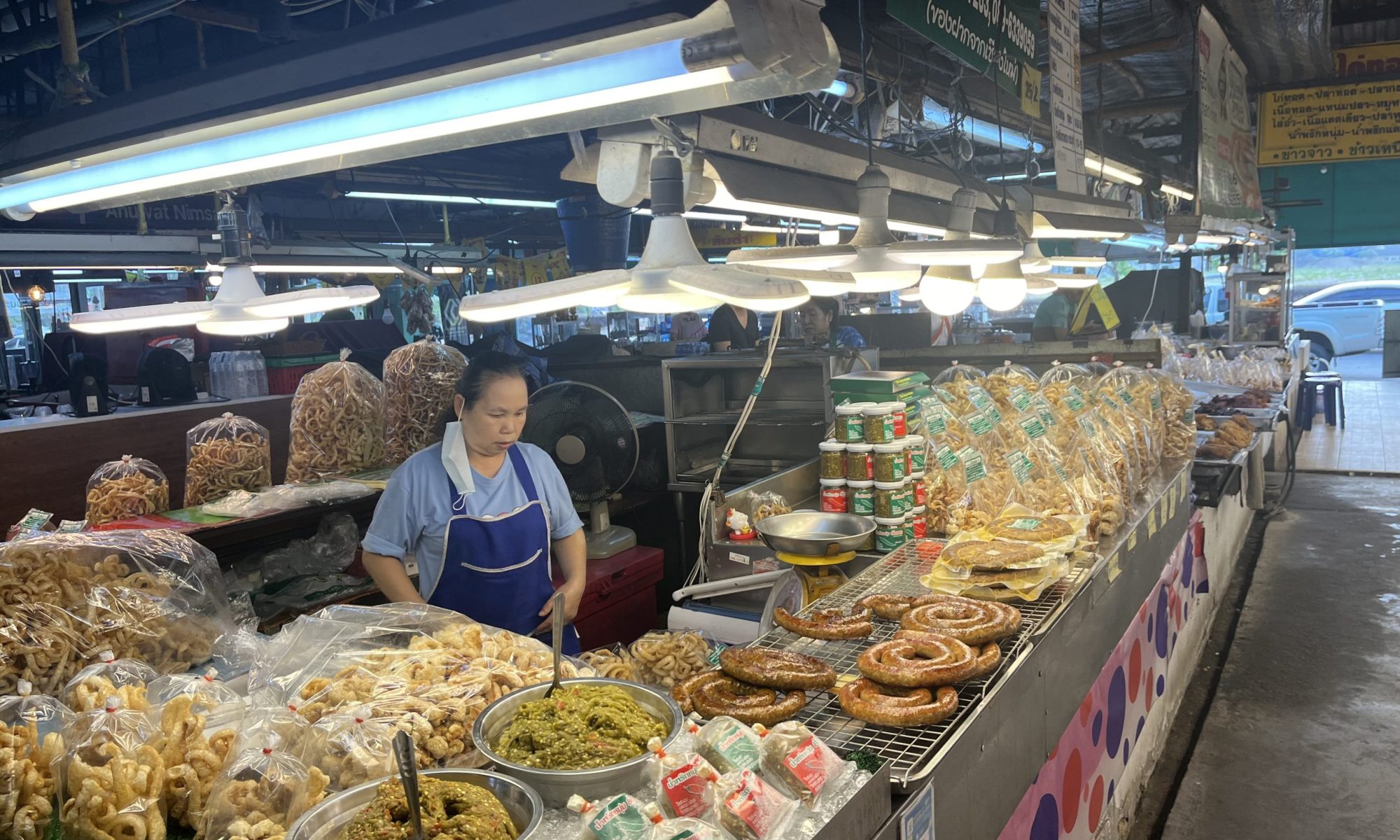
Street food has a rich history that reflects the cultural and economic dynamics of different regions. Originating in ancient civilizations, street food stalls can be traced back to markets in cities like Ancient Rome and Greece, where vendors sold quick, affordable meals for busy citizens. As urbanization increased, particularly during the Industrial Revolution, street food became vital for factory workers seeking convenient nourishment.
Throughout the 20th century, street food evolved, incorporating local flavors and techniques. In Asia, stalls serving pho in Vietnam or chaats in India became symbols of regional culinary identity. Meanwhile, Latin American countries popularized tacos and empanadas, often rich in history and flavor.
Today, street food continues to thrive globally, celebrated for its diversity and accessibility. From food trucks in North America to night markets in Asia, street food not only offers delicious meals but also serves as a cultural exchange, bringing people together over shared culinary experiences.
For more details and the full reference, visit the source link below: