
Why Pork Steaks Are A St. Louis BBQ Tradition

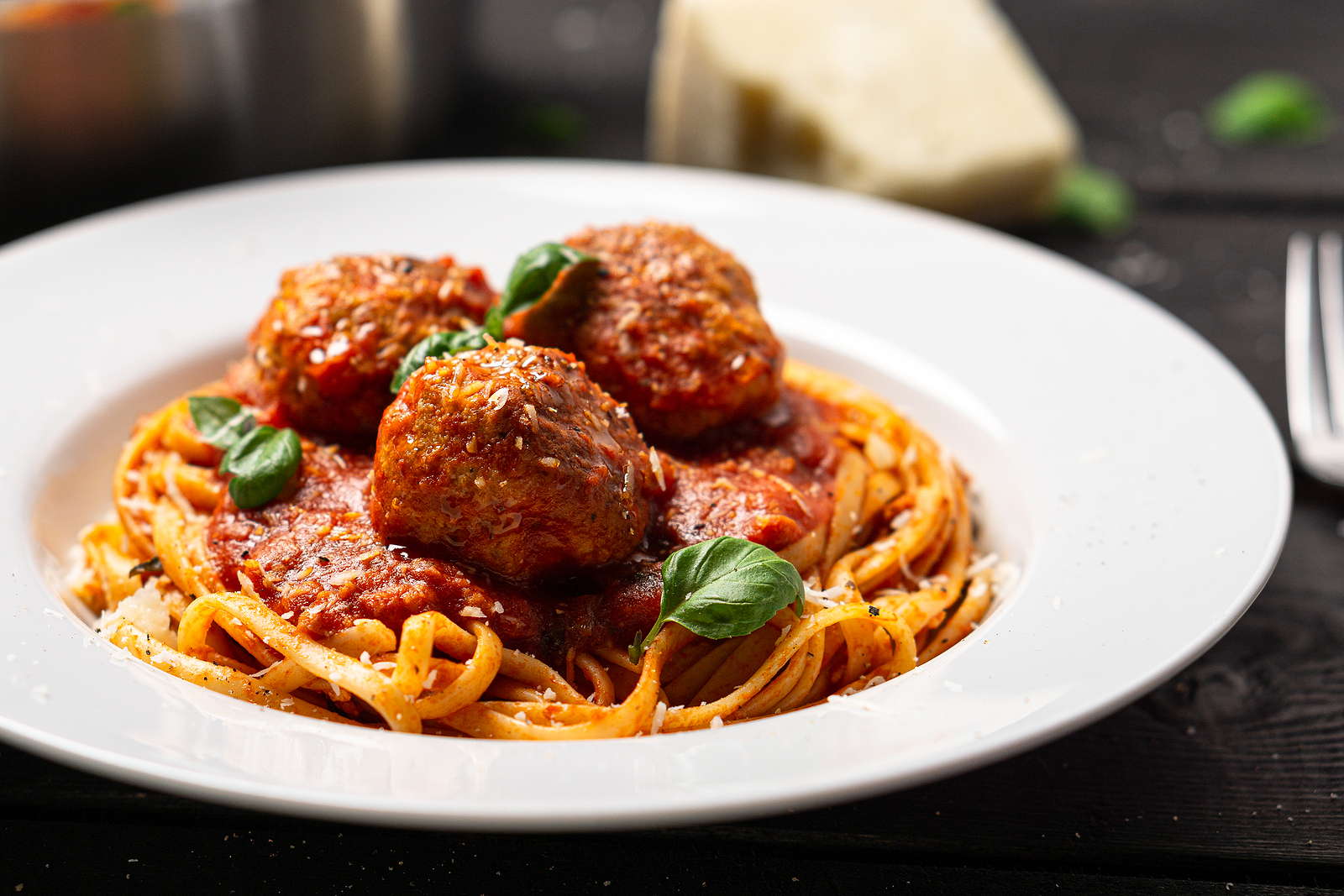
Pork steaks hold a special place in St. Louis BBQ culture, embodying both the region’s culinary heritage and its community spirit. This cut, derived from the shoulder, became a staple in local barbecuing thanks to its affordability and rich flavor. In the 1980s, it gained popularity as a convenient alternative to brisket and ribs, aligning perfectly with the city’s budget-friendly cooking philosophy.

St. Louis BBQ enthusiasts value the unique tenderness and marbling of pork steaks, which absorb smoke beautifully when grilled or smoked. The method of cooking often involves a sweet and tangy sauce, reflecting the region’s preference for a balance of flavors. Pork steak cookouts frequently bring friends and families together, fostering a sense of community.

For many, the aroma of pork steaks sizzling on the grill serves as a nostalgic reminder of gatherings, celebrations, and the strong food traditions that make St. Louis a vibrant BBQ destination.

For more details and the full reference, visit the source link below:

Read the complete article here: https://stlouisrestaurantreview.com/pork-steaks-st-louis-bbq-tradition/

The History Of Italian Restaurants On The Hill In St. Louis

The Hill, a historic neighborhood in St. Louis, is renowned for its rich Italian heritage, dating back to the early 20th century. Italian immigrants, primarily from Southern Italy, settled in the area, seeking better opportunities and a sense of community. The Hill quickly became a hub for Italian culture, with family-run restaurants opening to serve traditional dishes.

One of the earliest establishments, Tony’s, was founded in 1950 and offered authentic Italian cuisine, setting the standard for future eateries. Over the decades, the culinary landscape flourished, with iconic spots like Zia’s and Charlie Gitto’s becoming local favorites. These restaurants celebrated not only Italian flavors but also family traditions and community gatherings.

The Hill’s vibrant dining scene reflects a blend of nostalgia and innovation, preserving recipes while adapting to contemporary tastes. Today, it remains a testament to the resilience and passion of the Italian-American community, drawing food lovers from across the country to experience its culinary delights.

For more details and the full reference, visit the source link below:

Read the complete article here: https://stlouisrestaurantreview.com/history-italian-restaurants-the-hill-st-louis/

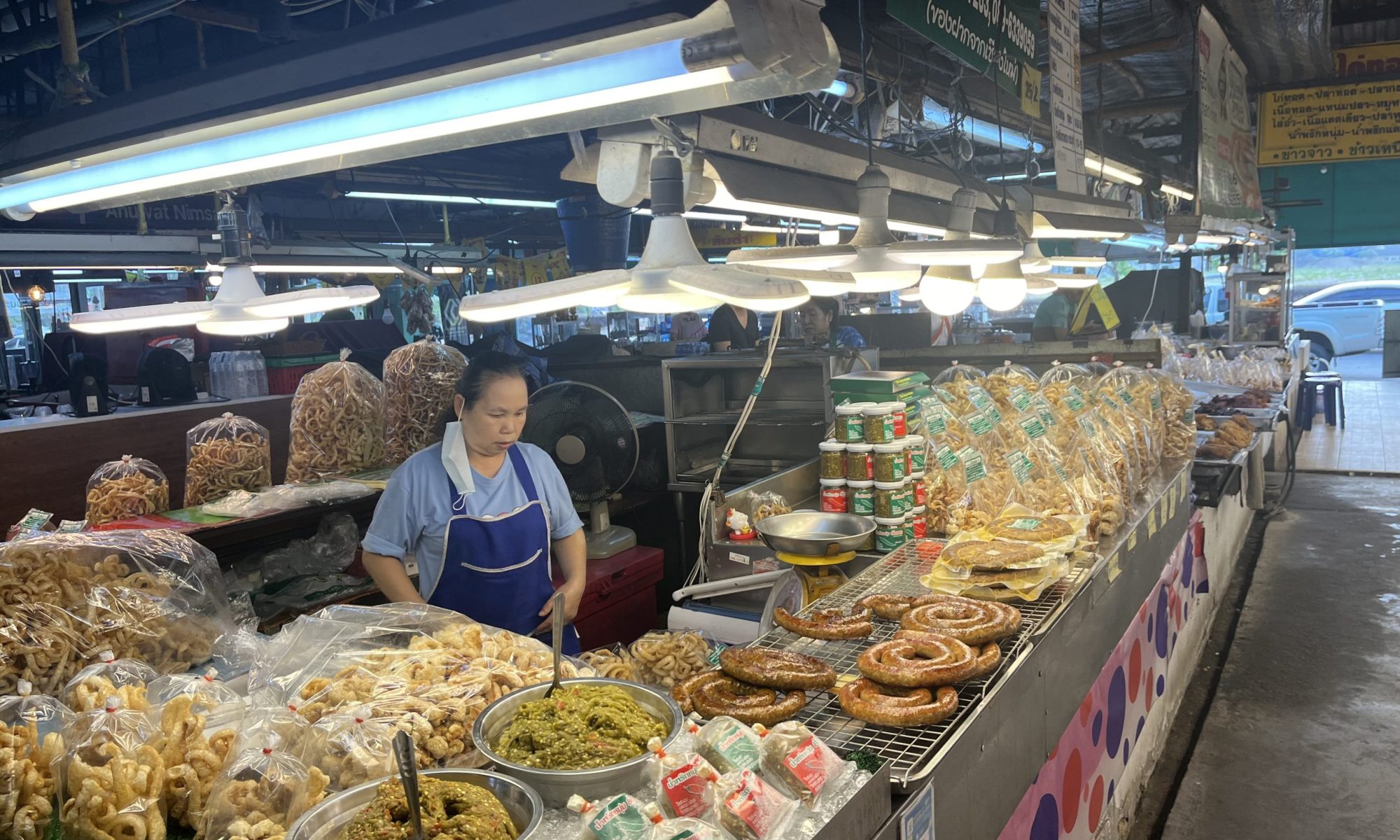
The History Of Street Food Around The World

Street food has a rich history that reflects the cultural and economic dynamics of different regions. Originating in ancient civilizations, street food stalls can be traced back to markets in cities like Ancient Rome and Greece, where vendors sold quick, affordable meals for busy citizens. As urbanization increased, particularly during the Industrial Revolution, street food became vital for factory workers seeking convenient nourishment.

Throughout the 20th century, street food evolved, incorporating local flavors and techniques. In Asia, stalls serving pho in Vietnam or chaats in India became symbols of regional culinary identity. Meanwhile, Latin American countries popularized tacos and empanadas, often rich in history and flavor.

Today, street food continues to thrive globally, celebrated for its diversity and accessibility. From food trucks in North America to night markets in Asia, street food not only offers delicious meals but also serves as a cultural exchange, bringing people together over shared culinary experiences.

For more details and the full reference, visit the source link below:


Read the complete article here: https://stlouisrestaurantreview.com/history-street-food-around-the-world/

Restaurant Marketing Mistakes That Hurt Business

Restaurant marketing is crucial for attracting customers, but several common mistakes can significantly hurt business. One major error is neglecting the online presence. In today’s digital age, a lack of social media engagement or an outdated website can alienate potential patrons who rely on online reviews and information. Another mistake is failing to understand the target audience. Marketing efforts that don’t resonate with local preferences or demographics can result in wasted resources and missed opportunities.

Additionally, inconsistent branding can confuse customers. A mismatched theme or varied messaging across platforms diminishes brand identity. Poor use of promotions is another pitfall; overly aggressive discounts can devalue the experience, while ineffective promotions can lead to low participation rates.

Lastly, neglecting customer feedback can backfire. Ignoring reviews or not adapting based on customer insights means missing out on improvement opportunities. By avoiding these mistakes, restaurants can create effective marketing strategies that foster loyalty and drive sales.

For more details and the full reference, visit the source link below:


Read the complete article here: https://stlouisrestaurantreview.com/restaurant-marketing-mistakes-business/

Cozy Coffee Spots For Studying In St. Louis

St. Louis offers a delightful mix of cozy coffee spots perfect for studying. Koplin’s Coffee in the vibrant Central West End provides a warm ambiance with its comfy seating and local artwork, making it an ideal backdrop for concentration. Blueprint Coffee in the Grove is renowned for its artisanal brews and spacious layout, allowing for both individual focus and relaxed group study sessions.

For a quieter atmosphere, Rise Coffee House in South City serves up excellent coffee alongside delicious pastries, perfect for those long study hours. Sump Coffee, with its minimalist design and strong coffee, offers a serene space away from distractions. Lastly, Milk + Honey combines a serene aesthetic with natural light, making it a lovely spot for reading or writing. Each of these locations not only serves great coffee but also fosters a productive environment, making them favorites among local students and professionals alike.

For more details and the full reference, visit the source link below:

Read the complete article here: https://stlouisrestaurantreview.com/cozy-coffee-spots-studying-st-louis/

The Impact Of Crime On St. Louis Restaurants

The impact of crime on St. Louis restaurants is significant and multifaceted. As crime rates fluctuate, they influence not only the safety perceptions of diners but also the operational decisions of restaurant owners. Areas with high crime often see a decline in foot traffic, as potential customers opt for safer neighborhoods. This can lead to reduced sales and, in some cases, permanent closures.

Additionally, crime impacts restaurant staffing. Employees may feel unsafe commuting late at night, resulting in higher turnover rates. To combat these challenges, many establishments invest in security measures, such as surveillance cameras and security personnel, which can divert funds from essential areas like marketing or menu development.

Furthermore, the negative stigma associated with crime can deter tourism, affecting restaurants that rely on visitors. While community efforts and local partnerships are essential in addressing crime, the ripple effects on the restaurant sector underscore the need for holistic solutions to enhance safety and revitalization in St. Louis.

For more details and the full reference, visit the source link below:


Read the complete article here: https://stlouisrestaurantreview.com/impact-crime-st-louis-restaurants/

The Immigrant Cultures That Built St. Louis Cuisine

St. Louis cuisine is a vibrant tapestry woven from various immigrant cultures that have significantly influenced its culinary landscape. German immigrants, arriving in the 19th century, brought hearty sausages and pretzels, laying the foundation for local favorites like the St. Louis-style pizza, which features a unique Provel cheese blend. Italian immigrants added their flair with dishes such as toasted ravioli, a delightful local twist on the traditional Italian favorite.

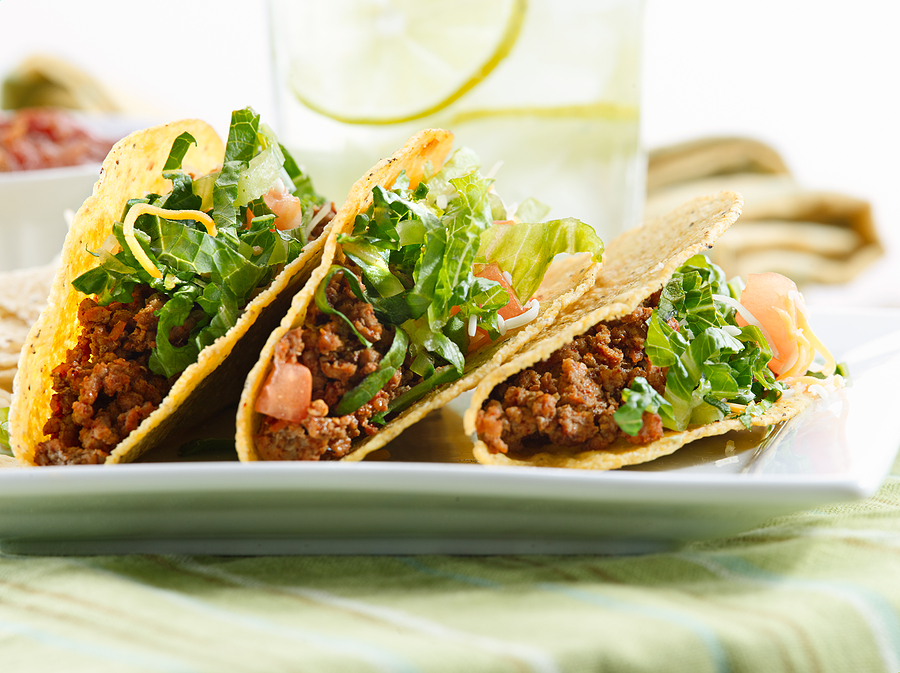
The city also owes much to African American traditions, particularly the rich flavors of Soul Food, with barbecued ribs and fried catfish becoming staple offerings. Additionally, the influence of Central American and Mexican cuisines is evident in beloved dishes like tacos and tamales, reflecting the city’s growing diversity. Together, these cultures have created a culinary scene that is both unique and reflective of St. Louis’s rich history, showcasing a delicious blend of flavors that celebrate the contributions of its many immigrant communities.

For more details and the full reference, visit the source link below:

Read the complete article here: https://stlouisrestaurantreview.com/immigrant-cultures-st-louis-cuisine/

The Story Behind Tacos And Mexican Street Food

Tacos and Mexican street food have a rich history that reflects the country’s diverse culture and traditions. Originating from indigenous civilizations, tortillas—made from corn—were used as a staple. Tacos, essentially fillings wrapped in these tortillas, evolved as various regions developed their unique flavors and ingredients.

The popularity of street food can be traced back to urbanization in the 20th century when vendors began offering affordable, quick meals to bustling city dwellers. Street carts and stalls became hubs of social interaction, showcasing a variety of dishes from tacos al pastor to elote (grilled corn).

These foods are deeply intertwined with celebrations, family gatherings, and daily life, serving as comfort food for many. The vibrant street food scene in Mexico epitomizes community and creativity, where recipes are often passed down through generations. Today, tacos and other street foods represent not just nourishment, but a cultural identity celebrated both in Mexico and around the globe.

For more details and the full reference, visit the source link below:

Read the complete article here: https://stlouisrestaurantreview.com/story-behind-tacos-mexican-street-food/

Why Mediterranean Food Is Considered The Healthiest Diet

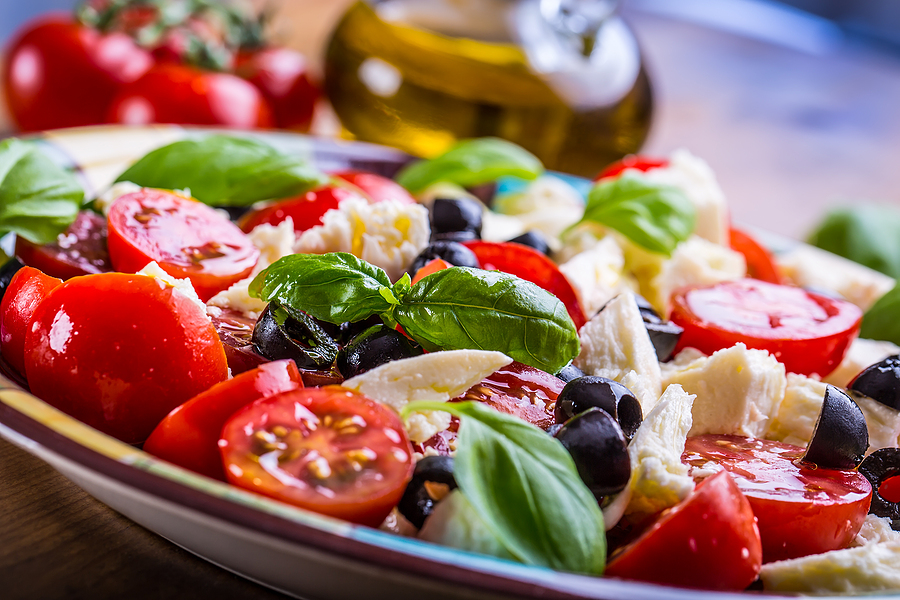
The Mediterranean diet is often hailed as one of the healthiest diets due to its emphasis on whole, unprocessed foods and balanced nutrition. Rich in fruits, vegetables, whole grains, legumes, nuts, and seeds, this diet provides essential vitamins, minerals, and antioxidant compounds. Olive oil, a staple fat in Mediterranean cuisine, is known for its heart-healthy monounsaturated fats and anti-inflammatory properties.

Additionally, the diet includes moderate consumption of fish and poultry while minimizing red meat and processed foods. The presence of omega-3 fatty acids in fish supports brain health and cardiovascular wellness. A lower intake of sugar and unhealthy fats reduces the risk of chronic diseases such as diabetes, heart disease, and obesity.

Social aspects, like sharing meals with family and friends, contribute to good mental health. Overall, the Mediterranean diet promotes a balanced lifestyle, combining nutritious foods with physical activity and social interaction, making it a sustainable choice for long-term health.

For more details and the full reference, visit the source link below:


Read the complete article here: https://stlouisrestaurantreview.com/mediterranean-food-considered-diet/

How Restaurants Bring Communities Together

Restaurants play a vital role in uniting communities by serving as gathering spaces where people can connect over shared meals and experiences. They foster a sense of belonging, offering not just food, but also a vibrant atmosphere that encourages social interaction. Community members gather for celebrations, casual meet-ups, and even meetings, making these establishments a hub of communal life.

Local restaurants often highlight regional cuisine, celebrating cultural diversity and allowing individuals to explore different traditions and flavors. By hosting events, such as farmers’ markets or themed nights, they promote local culture and engage residents in meaningful ways.

Moreover, many restaurants support local farmers and artisans, strengthening the local economy and encouraging a sense of pride in the community’s resources. Through these connections, restaurants become more than mere dining establishments; they are essential threads in the fabric of community life, fostering relationships, supporting local initiatives, and ultimately bringing people together.

For more details and the full reference, visit the source link below:


Read the complete article here: https://stlouisrestaurantreview.com/restaurants-bring-communities-together/