
Cozy Coffee Spots For Studying In St. Louis

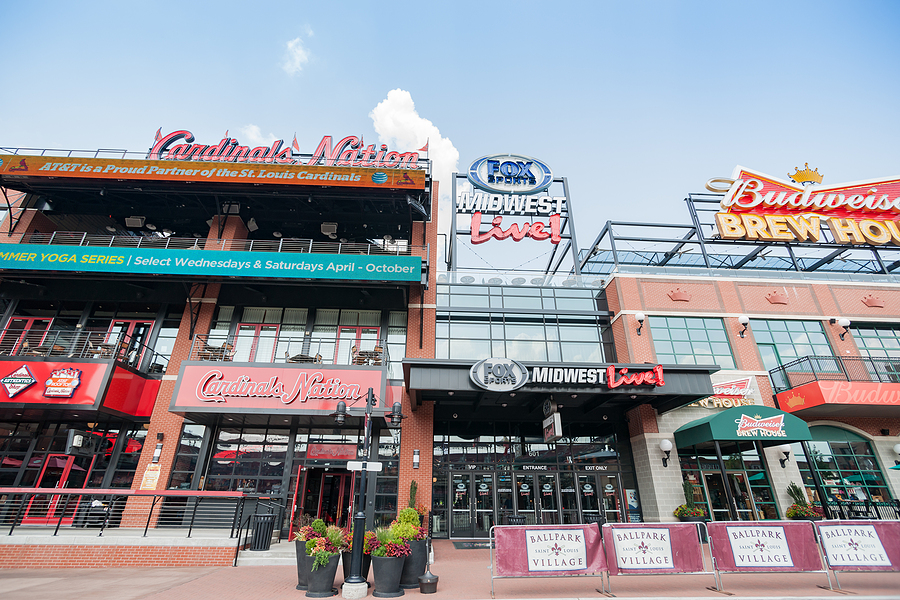
St. Louis offers a delightful mix of cozy coffee spots perfect for studying. Koplin’s Coffee in the vibrant Central West End provides a warm ambiance with its comfy seating and local artwork, making it an ideal backdrop for concentration. Blueprint Coffee in the Grove is renowned for its artisanal brews and spacious layout, allowing for both individual focus and relaxed group study sessions.

For a quieter atmosphere, Rise Coffee House in South City serves up excellent coffee alongside delicious pastries, perfect for those long study hours. Sump Coffee, with its minimalist design and strong coffee, offers a serene space away from distractions. Lastly, Milk + Honey combines a serene aesthetic with natural light, making it a lovely spot for reading or writing. Each of these locations not only serves great coffee but also fosters a productive environment, making them favorites among local students and professionals alike.

For more details and the full reference, visit the source link below:

Read the complete article here: https://stlouisrestaurantreview.com/cozy-coffee-spots-studying-st-louis/

The Impact Of Crime On St. Louis Restaurants

The impact of crime on St. Louis restaurants is significant and multifaceted. As crime rates fluctuate, they influence not only the safety perceptions of diners but also the operational decisions of restaurant owners. Areas with high crime often see a decline in foot traffic, as potential customers opt for safer neighborhoods. This can lead to reduced sales and, in some cases, permanent closures.

Additionally, crime impacts restaurant staffing. Employees may feel unsafe commuting late at night, resulting in higher turnover rates. To combat these challenges, many establishments invest in security measures, such as surveillance cameras and security personnel, which can divert funds from essential areas like marketing or menu development.

Furthermore, the negative stigma associated with crime can deter tourism, affecting restaurants that rely on visitors. While community efforts and local partnerships are essential in addressing crime, the ripple effects on the restaurant sector underscore the need for holistic solutions to enhance safety and revitalization in St. Louis.

For more details and the full reference, visit the source link below:


Read the complete article here: https://stlouisrestaurantreview.com/impact-crime-st-louis-restaurants/

The Immigrant Cultures That Built St. Louis Cuisine

St. Louis cuisine is a vibrant tapestry woven from various immigrant cultures that have significantly influenced its culinary landscape. German immigrants, arriving in the 19th century, brought hearty sausages and pretzels, laying the foundation for local favorites like the St. Louis-style pizza, which features a unique Provel cheese blend. Italian immigrants added their flair with dishes such as toasted ravioli, a delightful local twist on the traditional Italian favorite.

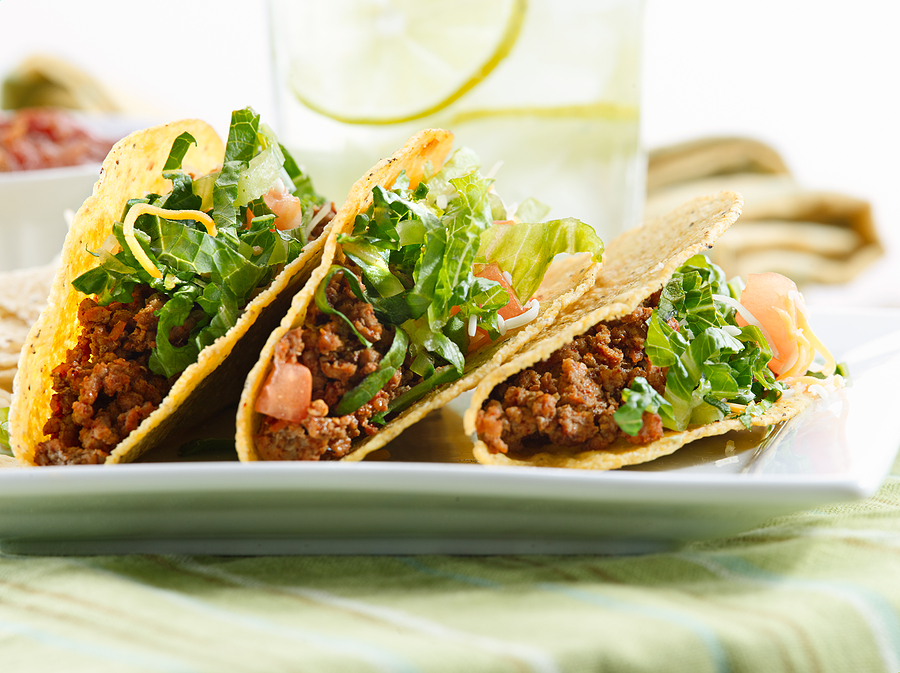
The city also owes much to African American traditions, particularly the rich flavors of Soul Food, with barbecued ribs and fried catfish becoming staple offerings. Additionally, the influence of Central American and Mexican cuisines is evident in beloved dishes like tacos and tamales, reflecting the city’s growing diversity. Together, these cultures have created a culinary scene that is both unique and reflective of St. Louis’s rich history, showcasing a delicious blend of flavors that celebrate the contributions of its many immigrant communities.

For more details and the full reference, visit the source link below:

Read the complete article here: https://stlouisrestaurantreview.com/immigrant-cultures-st-louis-cuisine/

The Story Behind Tacos And Mexican Street Food

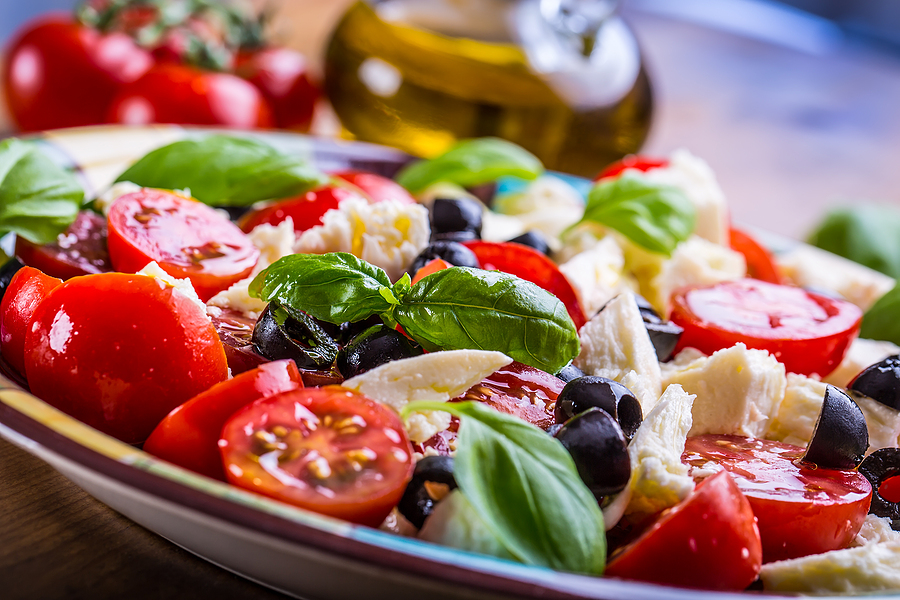
Tacos and Mexican street food have a rich history that reflects the country’s diverse culture and traditions. Originating from indigenous civilizations, tortillas—made from corn—were used as a staple. Tacos, essentially fillings wrapped in these tortillas, evolved as various regions developed their unique flavors and ingredients.

The popularity of street food can be traced back to urbanization in the 20th century when vendors began offering affordable, quick meals to bustling city dwellers. Street carts and stalls became hubs of social interaction, showcasing a variety of dishes from tacos al pastor to elote (grilled corn).

These foods are deeply intertwined with celebrations, family gatherings, and daily life, serving as comfort food for many. The vibrant street food scene in Mexico epitomizes community and creativity, where recipes are often passed down through generations. Today, tacos and other street foods represent not just nourishment, but a cultural identity celebrated both in Mexico and around the globe.

For more details and the full reference, visit the source link below:

Read the complete article here: https://stlouisrestaurantreview.com/story-behind-tacos-mexican-street-food/

Why Mediterranean Food Is Considered The Healthiest Diet

The Mediterranean diet is often hailed as one of the healthiest diets due to its emphasis on whole, unprocessed foods and balanced nutrition. Rich in fruits, vegetables, whole grains, legumes, nuts, and seeds, this diet provides essential vitamins, minerals, and antioxidant compounds. Olive oil, a staple fat in Mediterranean cuisine, is known for its heart-healthy monounsaturated fats and anti-inflammatory properties.

Additionally, the diet includes moderate consumption of fish and poultry while minimizing red meat and processed foods. The presence of omega-3 fatty acids in fish supports brain health and cardiovascular wellness. A lower intake of sugar and unhealthy fats reduces the risk of chronic diseases such as diabetes, heart disease, and obesity.

Social aspects, like sharing meals with family and friends, contribute to good mental health. Overall, the Mediterranean diet promotes a balanced lifestyle, combining nutritious foods with physical activity and social interaction, making it a sustainable choice for long-term health.

For more details and the full reference, visit the source link below:


Read the complete article here: https://stlouisrestaurantreview.com/mediterranean-food-considered-diet/

How Restaurants Bring Communities Together

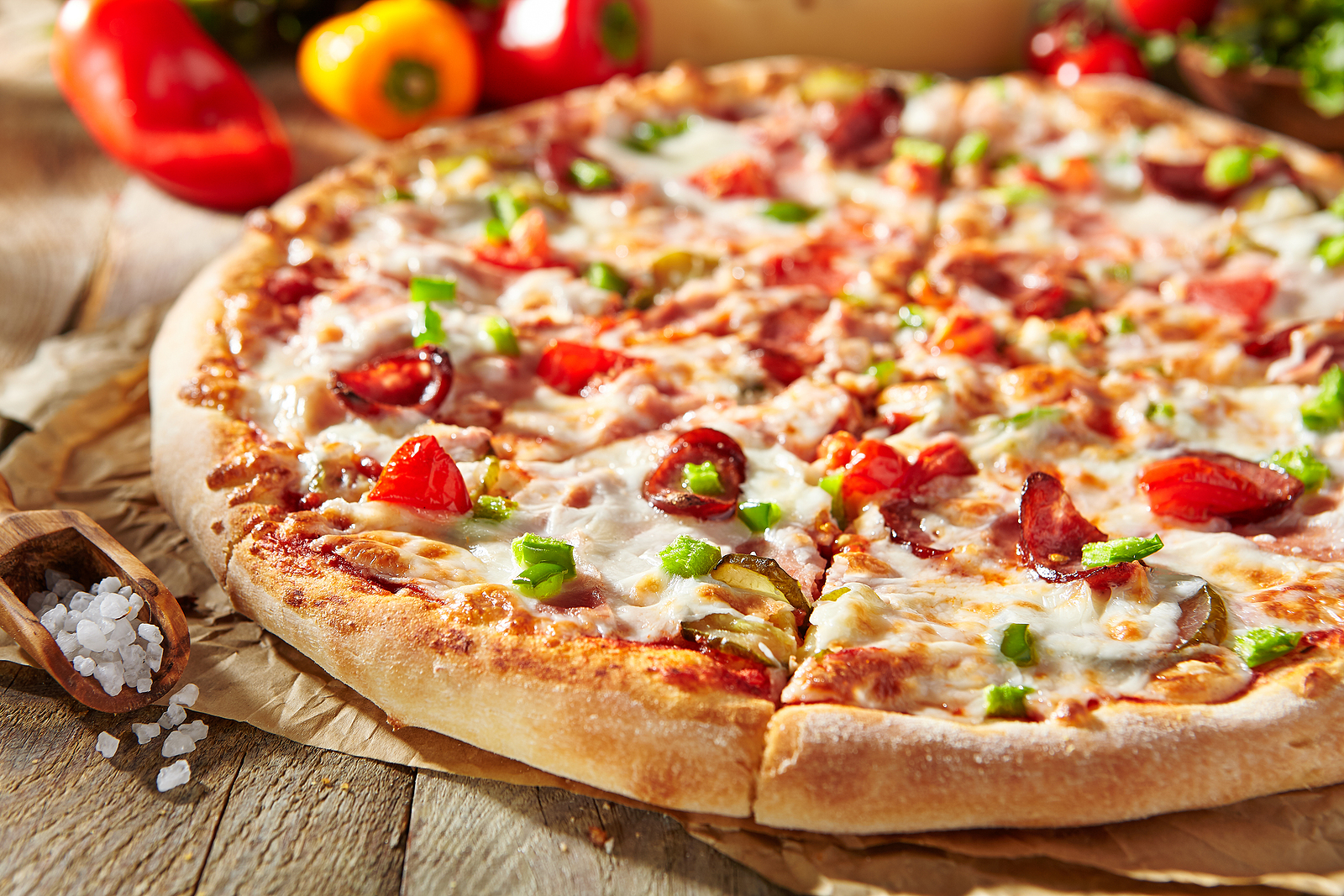
Restaurants play a vital role in uniting communities by serving as gathering spaces where people can connect over shared meals and experiences. They foster a sense of belonging, offering not just food, but also a vibrant atmosphere that encourages social interaction. Community members gather for celebrations, casual meet-ups, and even meetings, making these establishments a hub of communal life.

Local restaurants often highlight regional cuisine, celebrating cultural diversity and allowing individuals to explore different traditions and flavors. By hosting events, such as farmers’ markets or themed nights, they promote local culture and engage residents in meaningful ways.

Moreover, many restaurants support local farmers and artisans, strengthening the local economy and encouraging a sense of pride in the community’s resources. Through these connections, restaurants become more than mere dining establishments; they are essential threads in the fabric of community life, fostering relationships, supporting local initiatives, and ultimately bringing people together.

For more details and the full reference, visit the source link below:

Read the complete article here: https://stlouisrestaurantreview.com/restaurants-bring-communities-together/

The History Of Pizza From Naples To America

Pizza, as we know it today, traces its roots to Naples, Italy, in the late 18th century. Originally a humble dish for the working class, it featured a simple flatbread topped with tomatoes, cheese, and various regional ingredients. The Margherita pizza, crafted in 1889 to honor Queen Margherita of Savoy, showcased the colors of the Italian flag with its red tomatoes, white mozzarella, and green basil.

Italian immigrants brought pizza to America in the late 19th and early 20th centuries, with the first pizzeria, Lombardi’s, opening in New York City in 1905. As it gained popularity, particularly after World War II, regional variations emerged, including Chicago deep-dish and California-style pizza. Pizza quickly became a beloved American staple, evolving into a symbol of culinary creativity. Today, it is a global phenomenon, with countless variations enjoyed around the world, each reflecting local tastes and traditions.

For more details and the full reference, visit the source link below:

Read the complete article here: https://stlouisrestaurantreview.com/history-of-pizza-from-naples-america/

The Importance Of Fresh Ingredients In Cooking

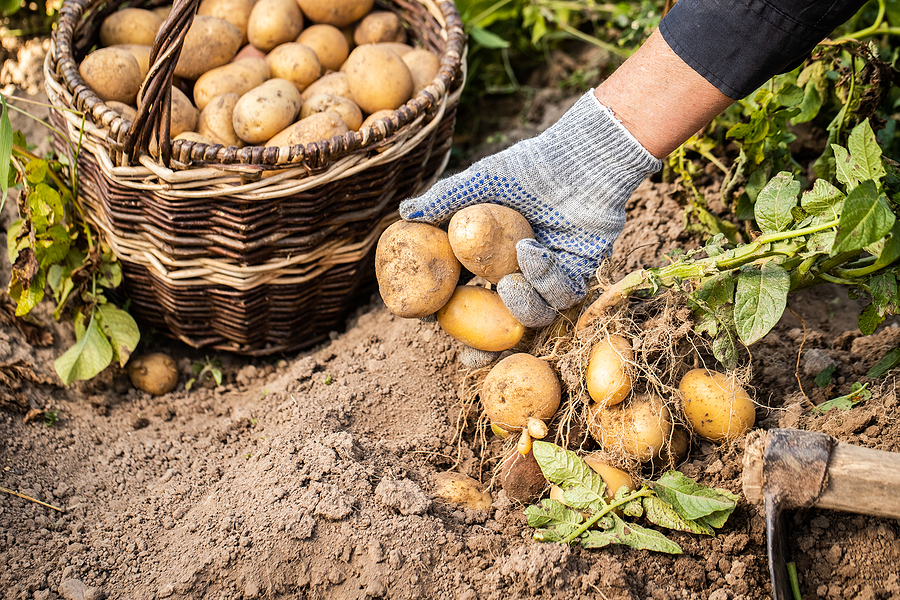
Fresh ingredients are the cornerstone of exceptional cooking, significantly enhancing both flavor and nutritional value. When we use fresh produce, herbs, and meats, we unlock vibrant tastes and textures that processed or older ingredients simply cannot match. Fresh ingredients not only provide a burst of flavor but also retain more vitamins and minerals, contributing to a healthier diet.

Moreover, cooking with fresh items encourages creativity and seasonal eating, allowing cooks to explore a variety of flavors while supporting local farmers and reducing environmental impact. The sensory experience of chopping fresh vegetables, smelling fragrant herbs, and savoring the aroma of a just-prepared meal draws people into the cooking process, making it more enjoyable.

Additionally, fresh ingredients foster a deeper connection to the food we consume, promoting mindfulness about sourcing and preparation. Ultimately, the emphasis on freshness elevates meals, transforming simple dishes into memorable culinary experiences that nourish both body and soul.

For more details and the full reference, visit the source link below:

Read the complete article here: https://stlouisrestaurantreview.com/importance-fresh-ingredients-cooking/

The Rise Of Korean BBQ In America

The rise of Korean BBQ in America is a testament to the country’s evolving culinary landscape. Originating from South Korea, this savory dining experience blends grilling and social interaction, captivating food enthusiasts across the nation. Its popularity surged in the late 1990s and early 2000s, spurred by the growing Korean immigrant community and a wider appreciation for diverse cuisines.

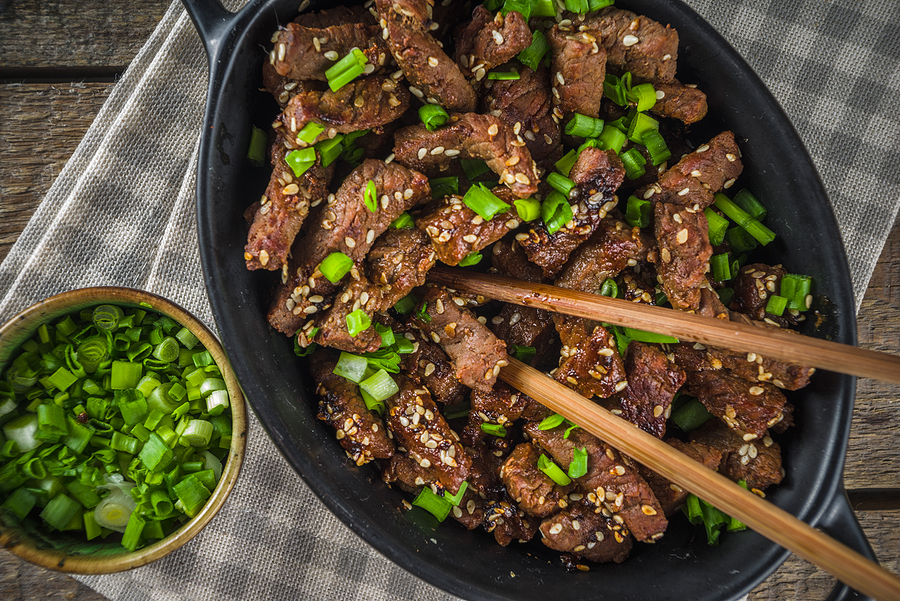
Korean BBQ distinguishes itself through its interactive format, where diners grill marinated meats like bulgogi and galbi at their tables, fostering a communal atmosphere. Accompaniments such as banchan (small side dishes) further enhance the experience, introducing American diners to bold flavors and unique textures.

The influence of social media and food shows has also played a pivotal role, with images of sizzling meats and colorful side dishes enticing a broader audience. Today, Korean BBQ restaurants are thriving in urban areas, appealing to adventurous eaters seeking authentic, flavorful dining experiences. As its popularity continues to grow, Korean BBQ is solidifying its place in the American culinary scene.

For more details and the full reference, visit the source link below:


Read the complete article here: https://stlouisrestaurantreview.com/the-rise-of-korean-bbq-america/

Why Local Restaurants Matter More Than Ever

Local restaurants play an essential role in our communities, especially in today’s rapidly changing world. They not only provide unique culinary experiences but also foster a sense of belonging and support local economies. By sourcing ingredients from nearby farms and suppliers, these eateries promote sustainability and reduce the carbon footprint associated with long-distance food transportation.

Moreover, local restaurants often reflect the unique culture and heritage of the area, offering dishes that tell the story of its people. They create jobs, empower local entrepreneurs, and contribute to the vibrancy of neighborhoods.

In times of crisis, such as during economic downturns or pandemics, these establishments are lifelines, providing comfort through food and a place for communities to gather, even if just virtually. Supporting local restaurants helps maintain the character of our towns, bolstering social connections and ensuring there’s a vibrant array of dining options for years to come. In essence, they are invaluable pillars of our local fabric.

For more details and the full reference, visit the source link below:


Read the complete article here: https://stlouisrestaurantreview.com/local-restaurants-matter-more-ever/